
The art of letting go
When it’s time to sell, but not panic.
The moment you decide to sell, something shifts.
You begin seeing your home differently. The sticking door becomes more irritating. The fence suddenly looks tired. The bathroom you planned to redo “one day” now feels terribly urgent.
Very quickly, there is a list.
It is easy to convince yourself that everything must be fixed, replaced or upgraded to make the house ready for the market. But unless you bought the property specifically to renovate and resell, you are not creating a display home. You are preparing a much-loved, well-used home for its next owner.
This is where calm judgement will serve you much better than panic.
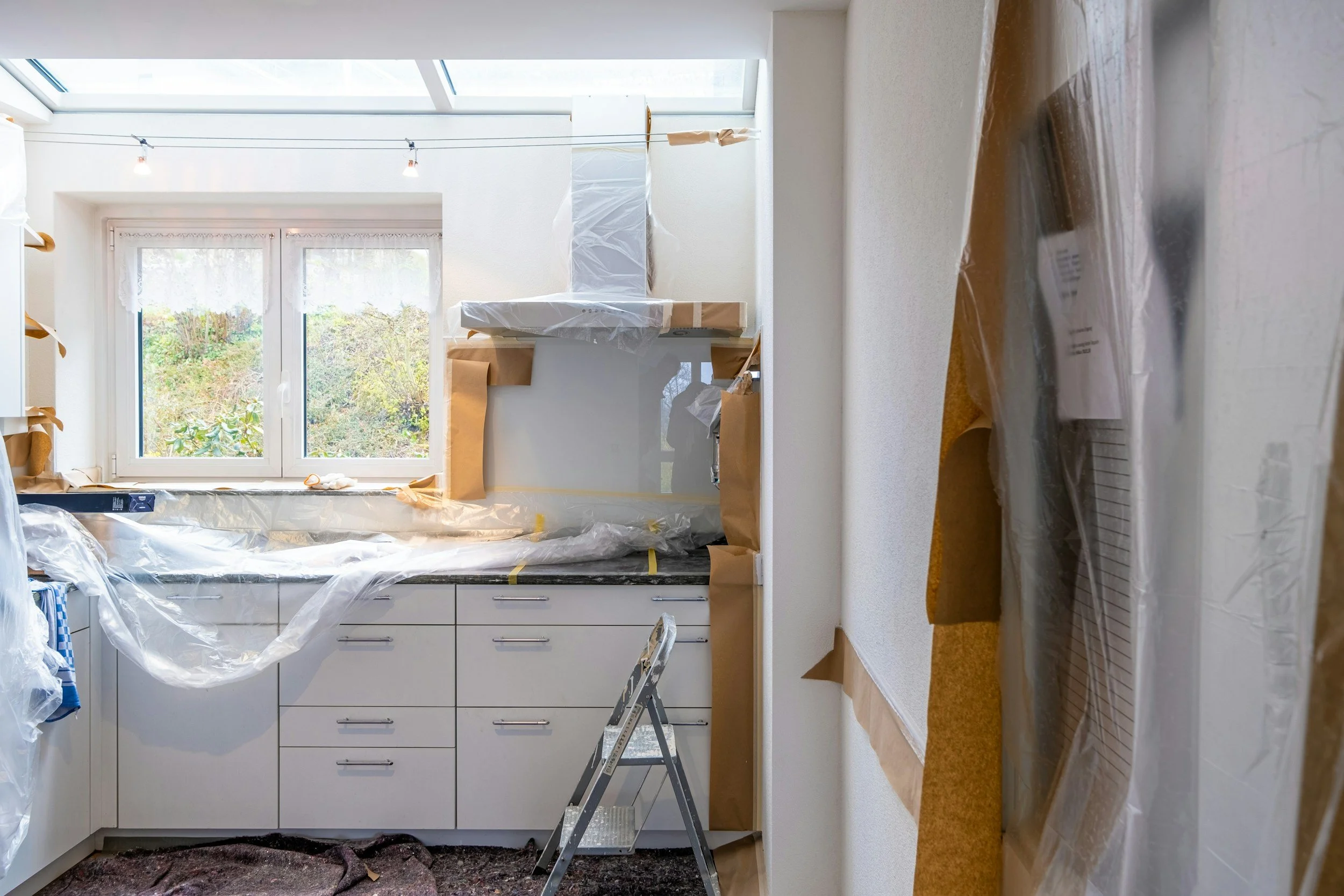
Hang’ on a minute!
Begin with what buyers will notice
Leave thoughts of a new kitchen or bathroom aside for the moment. Start with the ordinary things that can make a home appear neglected.
Fix dripping taps, doors that don’t close, cracked tiles, loose handles and flickering lights. Clean mould from grout and cut back the part of the garden that has been trying to reclaim the house.
We all stop noticing the small faults in our own homes. Walk through slowly as though you were visiting the property for the first time, beginning at the street. Taking a few photos can help too. Things you barely register in daily life often become surprisingly obvious on a screen.
Can you see the front door properly? Does the fence need repairing? Are the house numbers easy to find? Does the garden appear maintained, or has it become a little enthusiastic?
You may not need to repaint the entire exterior. Cutting back the garden, repairing the gate, cleaning the path and refreshing the front door can make a considerable difference for relatively little money.
A solid handle, working light and healthy pot plant won’t transform the value of a property on their own. What they do is signal that the home has been looked after. That matters when someone arrives for the first time.
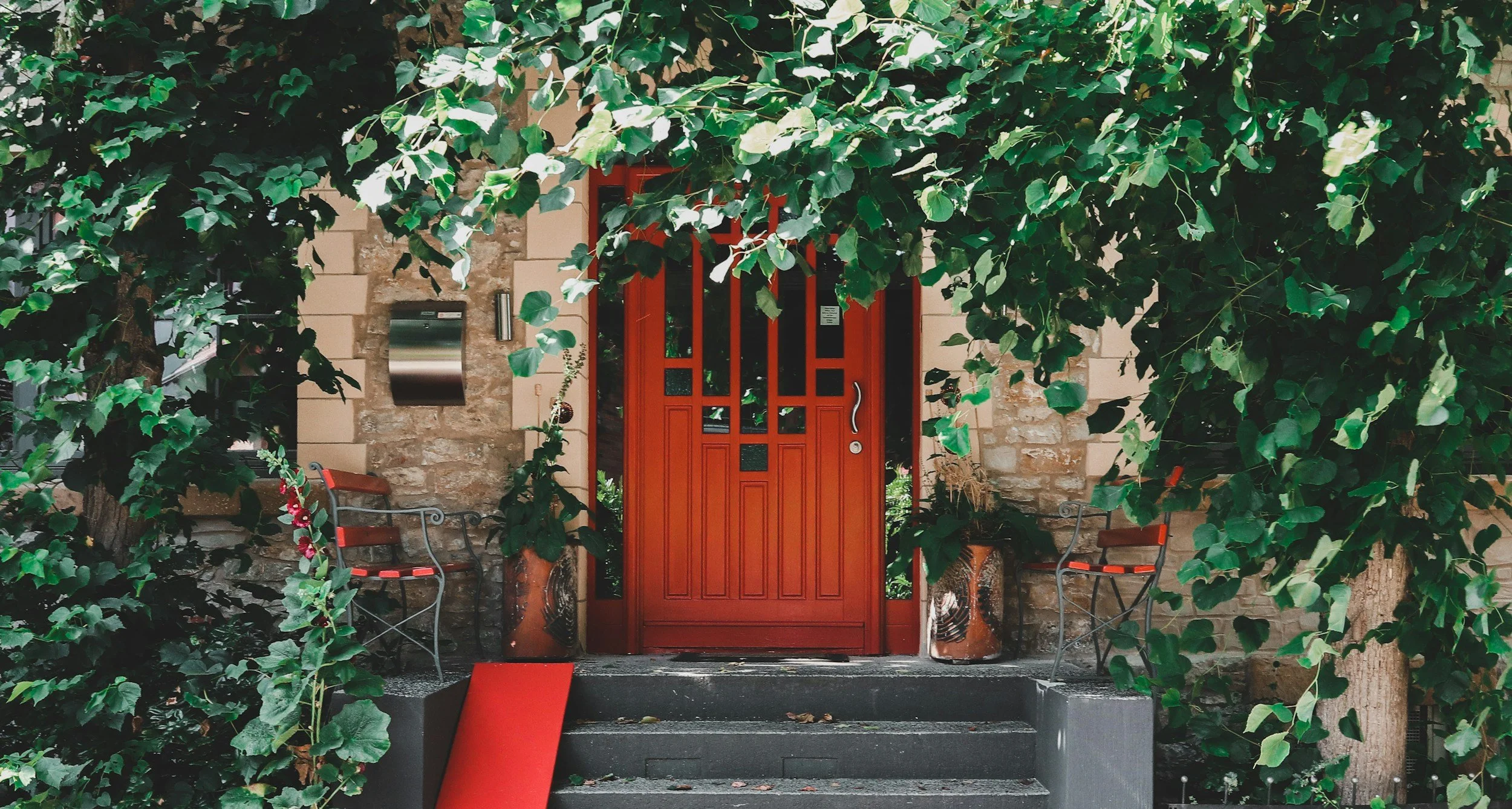
Make the entrance to your home welcoming.
Decide what is worth spending
If you are considering a substantial renovation, speak with a knowledgeable local realestate agent first.
Ask what buyers in your area and price bracket are looking for. Which parts of the property are likely to concern them? Which improvements would they value, and which ones are unlikely to be recovered in the sale?
Then give yourself a firm budget.
Once you start examining a house critically, the list can become endless. One new benchtop makes the splashback seem tired. The splashback makes the flooring look wrong. Suddenly, you have dismantled a perfectly functional kitchen when the sale is only a few months away.
It is also worth separating maintenance from personal preference. A leaking tap needs attention. A brown bathroom that you no longer like may not.
If you renovate, give it a reason
During our own house hunt, I walked through many recently renovated kitchens and bathrooms that left me cold.
They were new and perfectly usable, but some seemed as though every decision had been made as quickly and cautiously as possible. Glossy cabinetry, grey finishes and no real connection to the age or character of the house.
Flat-pack wasn’t the issue. A modest kitchen can work very well when it is properly planned. What bothered me was seeing a substantial amount of money spent without improving the function or giving the room any conviction.
Ask what the work will genuinely achieve.
Will it improve the layout? Replace materials that are failing? Bring the room back into line with the rest of the house?
If the only answer is “it will look newer”, I would think carefully about proceeding. An older, solid kitchen may be more appealing than a rushed renovation the next owner will want to remove anyway.
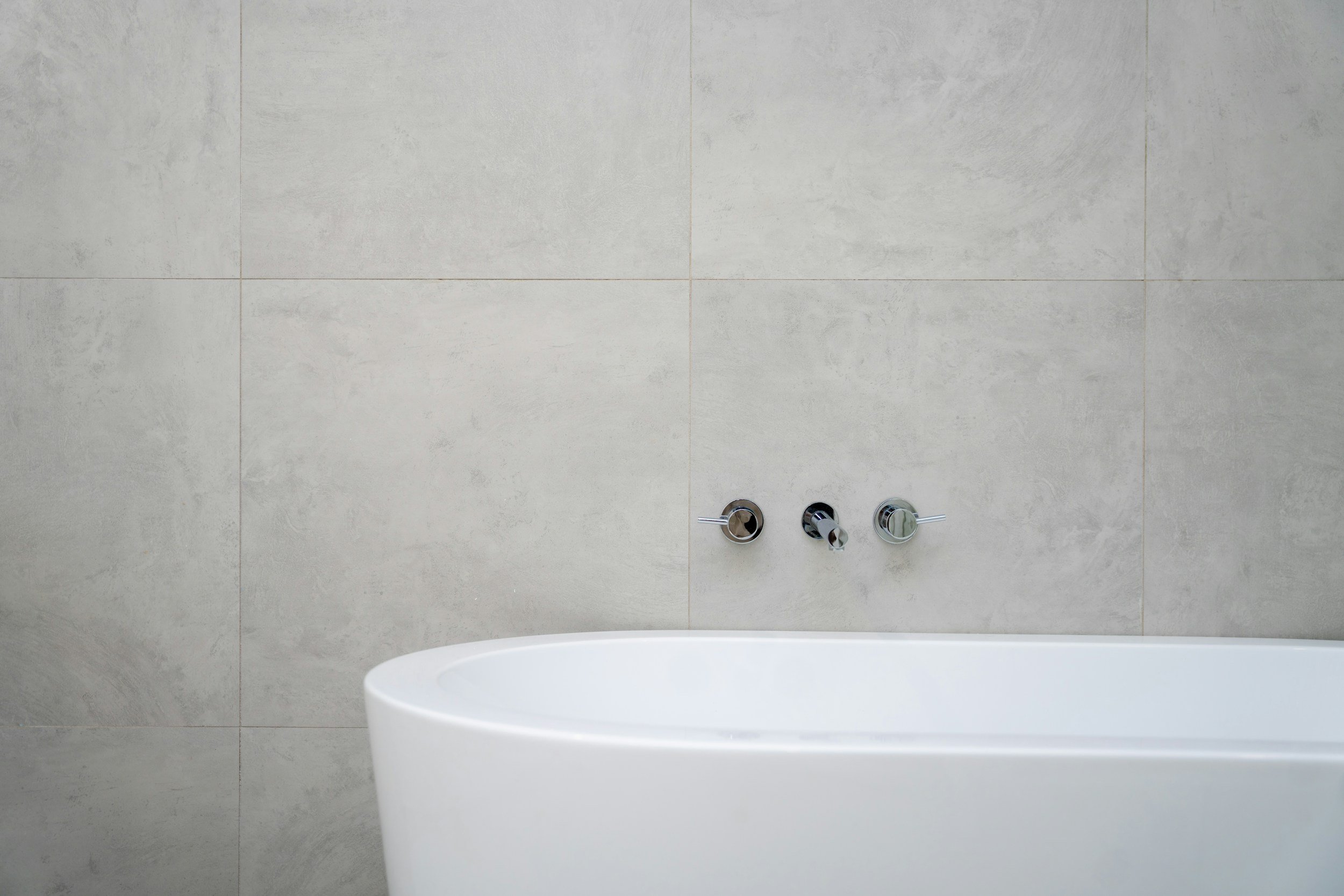
Personally, I find a newly renovated bathroom in GREY slightly underwhelming.
Help people understand the rooms
Once the repairs are under control, consider the experience of moving through the house.
This doesn’t necessarily require professional styling or a truckload of rented beige furniture. It may mean removing one armchair, repositioning a rug or moving the dining table out of the main path.
Is the sofa too large for the room? Does furniture block the view into the garden? Are surfaces so full that buyers notice your belongings rather than the house itself?
Buyers will check room dimensions, of course, but measurements are only part of it. They also notice whether a space is comfortable, open and easy to use.
Bring in as much natural light as possible. Open the windows on inspection day if the weather allows. Make the house smell clean, rather than as though it has been attacked with vanilla room spray.
It should still seem like someone’s home. People simply need enough visual space to imagine their own lives there.
If selling is still a few years away
A longer lead time changes the equation.
You can replace flooring consistently rather than room by room. You can plan a bathroom properly instead of giving it a cosmetic patch-up. You can improve the kitchen because you will enjoy using it, rather than because an inspection is looming.
Your own skills can contribute something special here.
An electrician might create exceptionally good lighting. A stonemason could build a beautiful front wall. A serious gardener may create a productive garden with enough time to become established.
One thing done with real knowledge and pride is more convincing than ten hurried improvements. You also have the chance to enjoy the result while you are still living there.

Think about what you are good at and use that skill to improve the house.
Neutral isn’t the only answer
The usual advice is to make everything neutral so that no buyer is put off.
There is some logic to that, particularly if the rooms seem disconnected or the colours are highly specific. But neutral does not have to mean anonymous.
Our previous home had colour and plenty of character, but the choices belonged together. It sold during the first week, and the buyer asked whether we would sell the furniture too.
I can’t claim that colour sold the house. The location, market and price all mattered. Its personality certainly didn’t prevent the right buyer from recognising what was good about it.
You do not need every person at an inspection to share your taste. The house needs to appear coherent, well maintained and ready for its next chapter.
That may mean retaining a strong wall colour that works beautifully with the light and architecture. It probably doesn’t mean experimenting with five new feature walls on the weekend the photographer is due.
The part nobody puts on the list
Preparing a home for sale can be surprisingly emotional. You are not only fixing taps and repainting doors. You are stepping back from the place where a part of your life happened.
It is easy to focus on everything you never finished. But getting ready to sell does not mean erasing your time there. Repair what needs attention, let the house be seen clearly and leave the rest alone.
Letting go does not require perfection. Just a little care, perspective and restraint.
If you are preparing to sell and no longer know what is worth changing, I can help you work out what needs attention and what you can confidently leave alone.
Until next time.
Vera x